
A manufacturer presents a strong product. The operator likes it. Culinary sees a menu application. Marketing believes consumers will respond. Everyone leaves the meeting encouraged. Then nothing happens.
Manufacturers often interpret this as a change of mind or a failure by the salesperson to close. But the explanation may be more complicated: operator interest is only the beginning of the adoption process.
The Supply Chain Has Its Own Vote
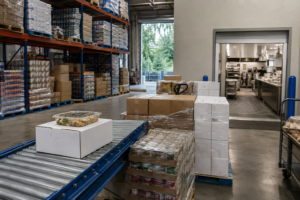
Before a product reaches an operator’s locations, it may need approval from procurement, supply chain, finance and operations. The distributor may need to authorize the item, create a slot, establish pricing and commit inventory. A broker or distributor sales representative may need to understand and support it. Individual locations may require training, equipment, storage space or revised procedures.
Each participant is evaluating a different risk.
Culinary may ask whether the product improves the menu. Marketing considers consumer appeal. Procurement focuses on cost and contract compliance. Supply chain worries about availability, minimum orders and inventory movement. Operations wants to know whether employees can execute it consistently during a busy shift. The distributor must decide whether expected volume justifies adding another SKU.
The operator can genuinely want the product while the system surrounding the operator makes adoption difficult.
Availability Often Comes Before Trial
Our operator research illustrates this disconnect. When interested in a new product, 64% of respondents in one Foodservice IP study said their first step was to ask their primary distributor whether it was available. Only 18% moved directly to a test at one location.
That means manufacturer selling does not end when the operator says yes. If the product is not authorized, stocked, correctly specified and visible within the distributor’s ordering system, operator interest cannot become a purchase.
This also explains why seemingly small considerations can stop an otherwise good idea. Who will hold inventory during the test? What happens if early volume is uneven? Can the distributor service every participating location? Are product information and specifications complete? Will DSRs recommend the item—or even know why it matters?
Reducing the Cost of Being Wrong
In an uncertain market, decision-makers are not simply asking, “Could this work?” They are asking, “What happens to me and the organization if it does not?”
Manufacturers can reduce that fear by bringing more than a product presentation. Comparable-operator results, realistic volume assumptions, a limited pilot, distributor coordination, clear operational requirements and post-launch support all lower the perceived cost of making a change.
The strategic supplier is therefore not necessarily the company with the most innovative product. It is the company that understands every barrier between interest and repeat purchase—and helps the customer get through them.
Foodservice IP’s 2027 study, Reducing Operator Risk: Winning Authorization, Trial and Repeat Purchase, will examine these decision and supply-chain barriers from the perspectives of operators, distributors, DSRs, brokers, re-distributors and manufacturers.
Get practical foodservice intelligence delivered to your inbox. Our subscribers receive original research, industry analysis, blog updates, and announcements on new studies. Sign up to receive our communications.
Recent Comments