
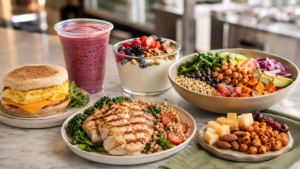
Protein is everywhere. Restaurants are adding protein bowls, beverages are promising protein boosts and manufacturers are reformulating products to place a larger number on the label. The industry has largely concluded that consumers want more protein.
That may be true—but it is not particularly useful.
The more important question is what consumers believe protein will do for them and how that belief changes what they order. Without that understanding, foodservice risks turning protein into another overused claim rather than a meaningful growth platform.
Consumers Are Not Buying a Nutrient
Most consumers are not calculating grams of protein while standing at a menu board. They are trying to feel full, maintain energy, manage weight, build strength or make a choice they can feel good about.
Protein is shorthand for those outcomes.
That distinction matters. A consumer seeking a satisfying breakfast may respond differently from someone choosing a post-workout snack or looking for a lighter dinner. The desired protein source, portion, format and acceptable price can change with the occasion.
Simply adding protein to a product does not guarantee that consumers will see its relevance.
More Protein Can Still Mean Less Appeal
Foodservice has a habit of treating nutrition and indulgence as opposing forces. Protein may be one of the few attributes capable of bridging the two—but only if taste remains the first promise.
Consumers may want protein in a breakfast sandwich, smoothie, snack or entrée, but they are unlikely to excuse dry texture, unfamiliar ingredients or a significant price premium just to get it.
There is also a risk that the industry confuses visibility with demand. Protein appears across social media and packaged foods, but that does not tell operators which claims influence restaurant orders, which sources consumers prefer or how much additional protein they actually value.
The Opportunity Extends Beyond the Center of the Plate
Protein strategy has traditionally begun with beef, pork, poultry or seafood. The next opportunity may be broader.
Eggs, dairy, beans, grains, snacks, bakery products and beverages can all help consumers meet their protein goals. Some may create new eating occasions rather than simply replacing one entrée with another.
This raises bigger strategic questions. Should protein be the hero of the meal or an added benefit? Are consumers looking for animal protein, plant protein or a practical combination? Which formats feel naturally protein-rich, and which feel manufactured?
Operators Need Solutions, Not Claims
For operators, the winning protein product must do more than satisfy a consumer trend. It must fit existing equipment, labor, preparation time, menu pricing and waste requirements. A product with strong nutritional credentials but poor operational economics will not remain on the menu.
Manufacturers therefore need to understand both sides of the decision: what motivates the consumer and what makes the item executable for the operator.
The protein opportunity is real. But the companies that win will not be those that simply add the most grams.
They will be the ones that understand when protein matters, what consumers expect from it and how to deliver it in a form people genuinely want to eat.
Get practical foodservice intelligence delivered to your inbox. Our subscribers receive original research, industry analysis, blog updates, and announcements on new studies. Sign up to receive our communications.
Recent Comments